Commission Introductory Paragraph
The Global Council of Geopolitical Stability (GCGS), within the framework of SAMONU 2026, is established as a high-level forum aimed at analyzing and managing contemporary international tensions. This committee seeks to simulate global decision-making by bringing together key state actors to address major geopolitical challenges such as armed conflicts, strategic rivalries, and the struggle for influence across different regions. Through structured debate, delegates will reflect on the complexity of the international system and propose solutions that promote stability, cooperation, and strategic balance among nations.
The commission is based on the understanding that the global order is undergoing a profound transformation, marked by increasing competition among major powers and the weakening of traditional cooperation mechanisms. Interactions between global leaders, along with the rising influence of regional powers and the Global South, have created a volatile and unpredictable environment where alliances, economic relations, and security structures are constantly evolving.
Within this context, the GCGS will address key topics such as modern armed conflicts, hybrid warfare, control of strategic resources, and regional instability. Special attention will be given to tensions in Eastern Europe, the Middle East, and emerging strategic areas like the Arctic, as well as their impact on regions such as Latin America and Africa. Delegates are expected to approach these issues from a comprehensive perspective, taking into account political, economic, and security dimensions at the same time.
This commission aims to develop critical thinking, diplomatic skills, and a deeper understanding of global power dynamics. Delegates will assume the roles of high-level decision-makers, presenting positions consistent with their assigned countries while navigating a competitive and polarized international landscape. The objective is not only to reach agreements, but also to reflect the realities and strategic interests that shape modern geopolitics. The debate will take place within the current international context, and any real-world changes in political leadership during the simulation will not affect assigned roles, meaning delegates will continue representing their designated positions throughout the process.
During the debate, delegates will speak in first-person, assuming the role of their country’s highest authority or relevant political figure, acting as official representatives such as presidents, heads of government, or other high-ranking officials. For example, a delegate may represent Colombia as its president or the United States through its head of state, this in order to develop further multiperspectivism and other debate skills.


La academia FreeLish otorgará al mejor delegado de la comisión EEGRC, una beca completa para estudiar francés. ¡Espero que seas tú!
Agenda items and issues to be discussed in the committee
Maritime security and the geopolitics of critical resources: Disputes over the control of strategic raw materials and key trade routes (such as straits and canals).
In light of escalating conflicts over the control of critical resources and key maritime passages, should the international community prioritize state sovereignty or imperialist and/or multinational intervention to ensure global security, and which nations represent the most direct threat to the current multilateral order?
To what extent does the unilateral control of strategic maritime passages and critical resource deposits by major powers redefine the concept of self-defense under international law, and what institutional mechanisms does the current multilateral order possess to sanction these actions without resorting to armed intervention?
How do I draft my opening speech and position paper?
What are the SAMONU Model?
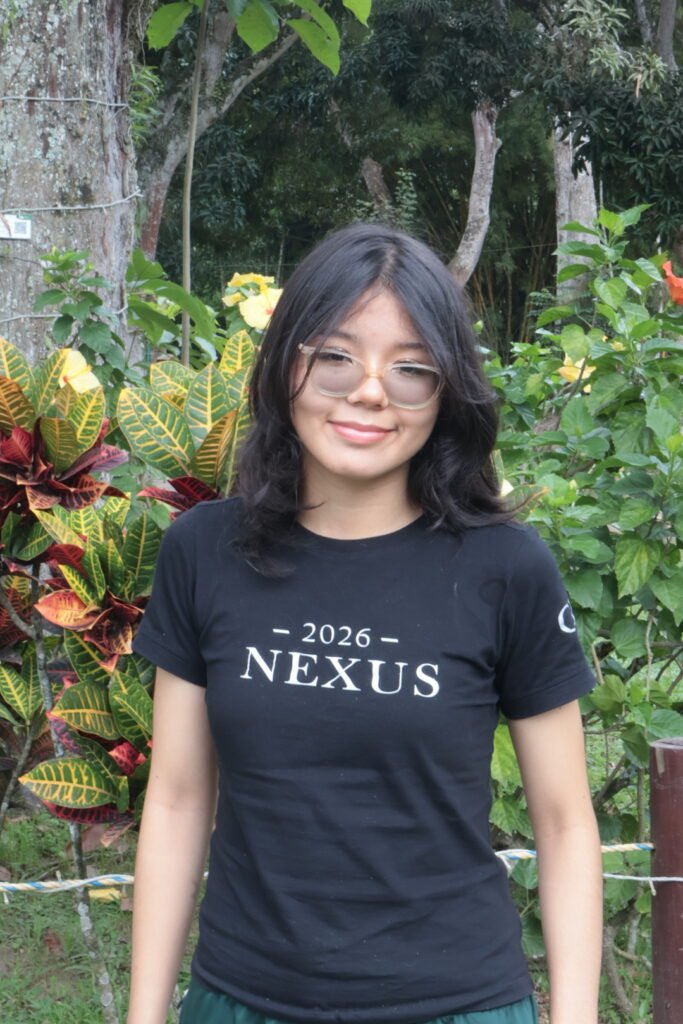
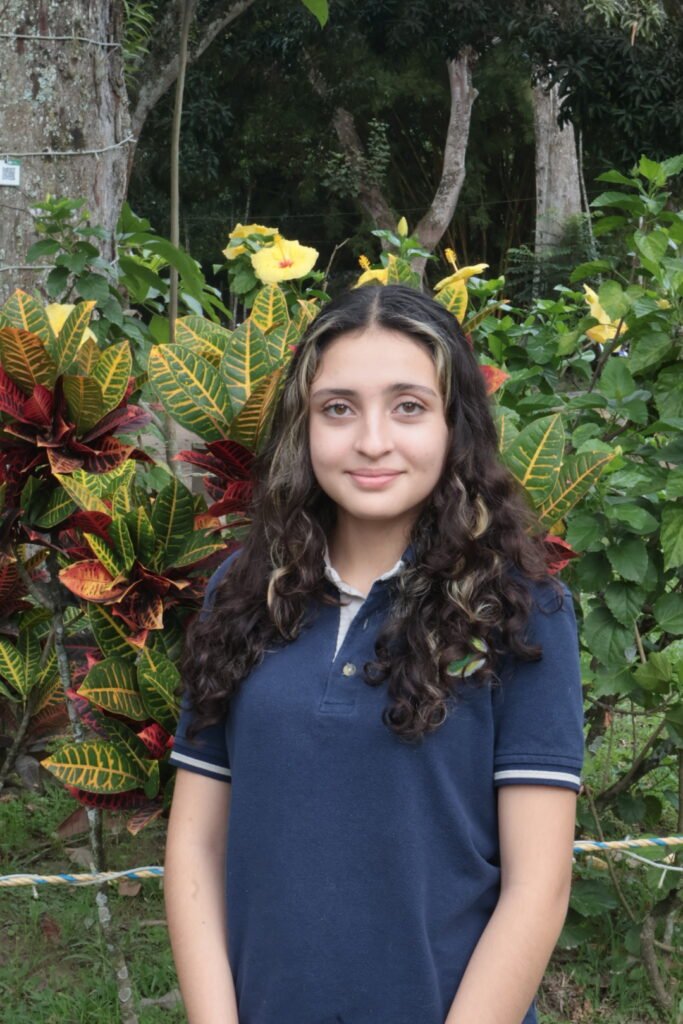
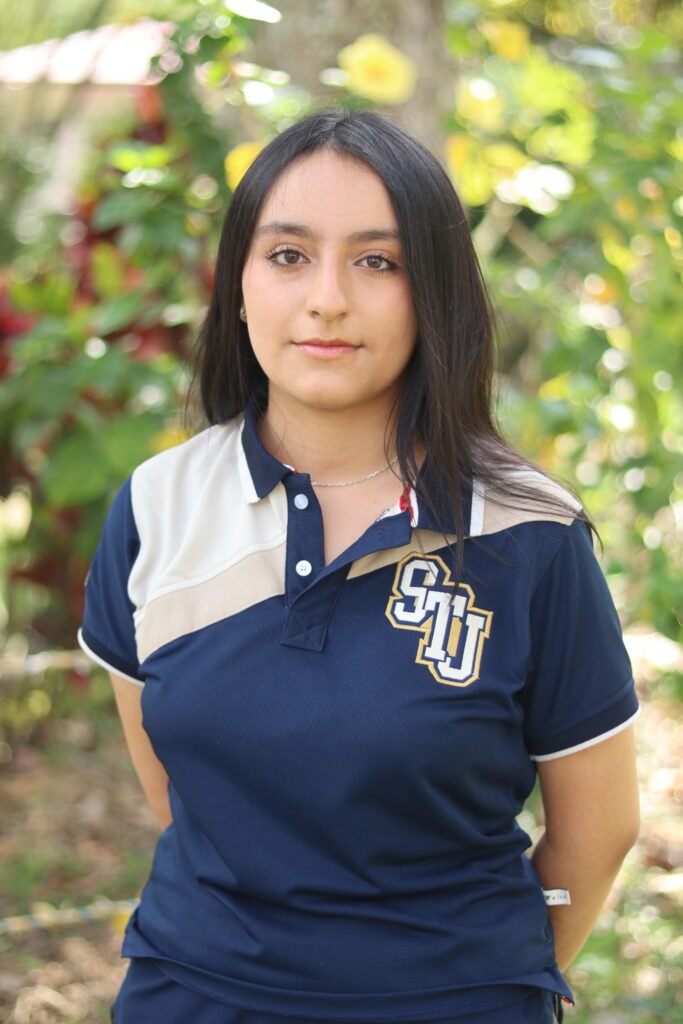
Presiding Officers
Delegations
| Companies/Protection Entities | Student | Processfolio |
|---|---|---|
| Benjamín Netanyahu (Israel) | Manuela Gómez |  |
| Xi jinping (China) | Juliana Isabella Ayala Cruz | |
| Felix tshisekedi (RDC) | Ana Sofía Cruz Lima | |
| Mohamed zayan nahayan (united arab emirates) | David Steven Uribe Garzón | |
| Vladimir Putin (Russia) | María Camila Oliveros Reboso | |
| Donald Trump (USA) | Celeste Palmas Rodríguez | |
| Luiz Inacio (Brazil) | Isabella Zuluaga Castro | |
| Volodymyr Zelenskyy (Ukraine) | Luciana Villanueva (SBL) | |
| Frank-Walter Steinmeier (Germany) | | |
| Emmanuel Macron (France) | Danna Estefanía (STJ) | |
| Jens-Frederik Nielsen (Greenland) | | |
| Lai Ching-te (Taiwan) | | |
| Sanae Takaichi (Japan) | Isabella Sofía Varón Varón (SBL) | |
| Lee Jae Myung (South Korea) | | |
| Claudia Sheinbaum (Mexico) | Mariana Cuellar Martinez (STJ) | |
| Delcy Rodríguez (Venezuela) | | |
| Abelardo de la Espriella (Colombia) | | |
| Bola Ahmed Tinubu (Nigeria) | | |
| Mahmoud Abbas (Palestine) | | |
| Mojtaba Khamenei (Iran) | Leonardo Rodriguez Goularte | |
| Sir Keir Starmer (United Kingdom) | |